Craft & Material
“CRAFTON”
Hand-Tufted
Dantsu Rug
1960年代、工房で生産が始まった「手刺(てざし)」のじゅうたん。一般的にはフックドラグやハンドタフテッドと呼ばれる製法ですが、私たちは古くからこのじゅうたんを「手刺緞通」、そして愛着を込めて「クラフトン」と呼んできました。手工芸を意味する「craft」から生まれた造語です。
本来「緞通」とは、中国に由来する高級な「手織」のじゅうたんを指す言葉です。あえてそこに「手刺緞通」という名を冠したのは、手刺の技法を用いながらも、手織と遜色のない品質を追求し、人々の暮らしにより身近な調度品として「新たな手工芸品」を生み出すという意志の表れでした。
1935年の創業以来、山形緞通の手織緞通は「フジ・インペリアル」の名で国内外から高い評価をいただいてきました。その歴史と実績を礎に、手刺の「クラフトン」においても同じ「緞通」の品質基準を宿すべく、絶え間ない研究と挑戦を重ねてまいりました。
厳選された羊毛、緻密なタフティング技術、幾度も繰り返される丁寧な仕上げ。これらが「クラフトン」特有の高密度なしっとりとした風合いと、世代を超えてご愛用いただける堅牢さをもたらしました。既存のハンドタフテッド製品とは一線を画す、上質な日本のじゅうたんです。
The crafting of hand-tufted rugs first began in our workshop in the 1960s. While broadly categorized as hooked rugs or hand-tufted carpets, these pieces have been called "Hand-tufted Dantsu" since their inception—and affectionately named "Crafton," a term derived from the word "craft."
Historically, "Dantsu" refers to high-quality hand-knotted rugs of Chinese origin. The decision to adopt the name "Hand-tufted Dantsu" represents a dedication to achieving quality comparable to hand-knotted pieces through tufting techniques, creating a refined handicraft for daily life.
Since its founding in 1935, YAMAGATA DANTSU has been recognized both in Japan and abroad for the renowned quality of its hand-knotted Dantsu rugs under the "Fuji Imperial" name. Building upon this legacy, the "Crafton" line has been developed to uphold the same rigorous Dantsu quality standards.
Carefully selected wool, precise tufting, and careful, repeated finishing impart to Crafton its signature high-density texture and the durability that allows it to be cherished for generations. This is a refined Japanese Dantsu that stands apart from conventional hand-tufted products.
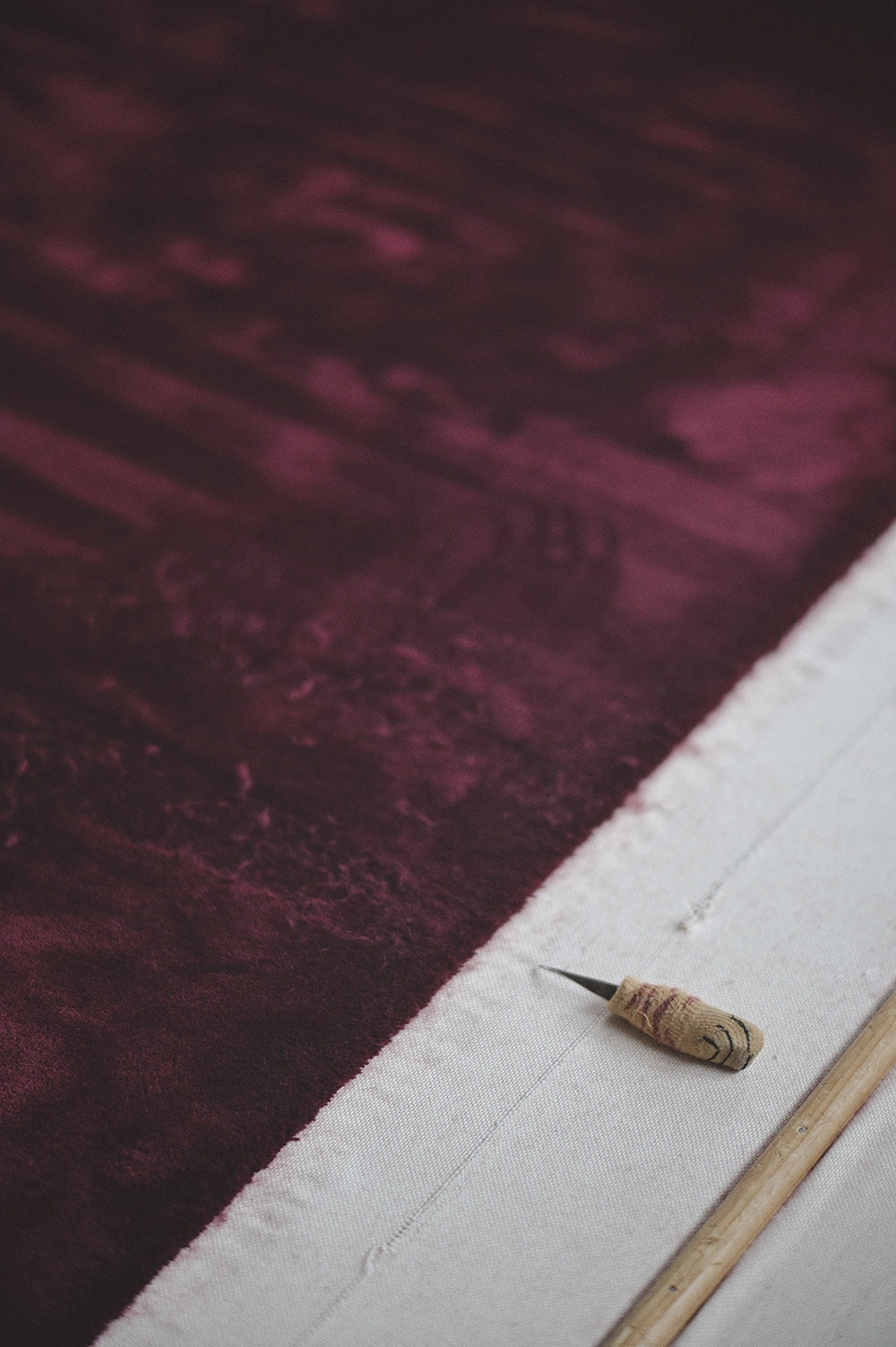
Quality is Designー 品質こそデザインなり
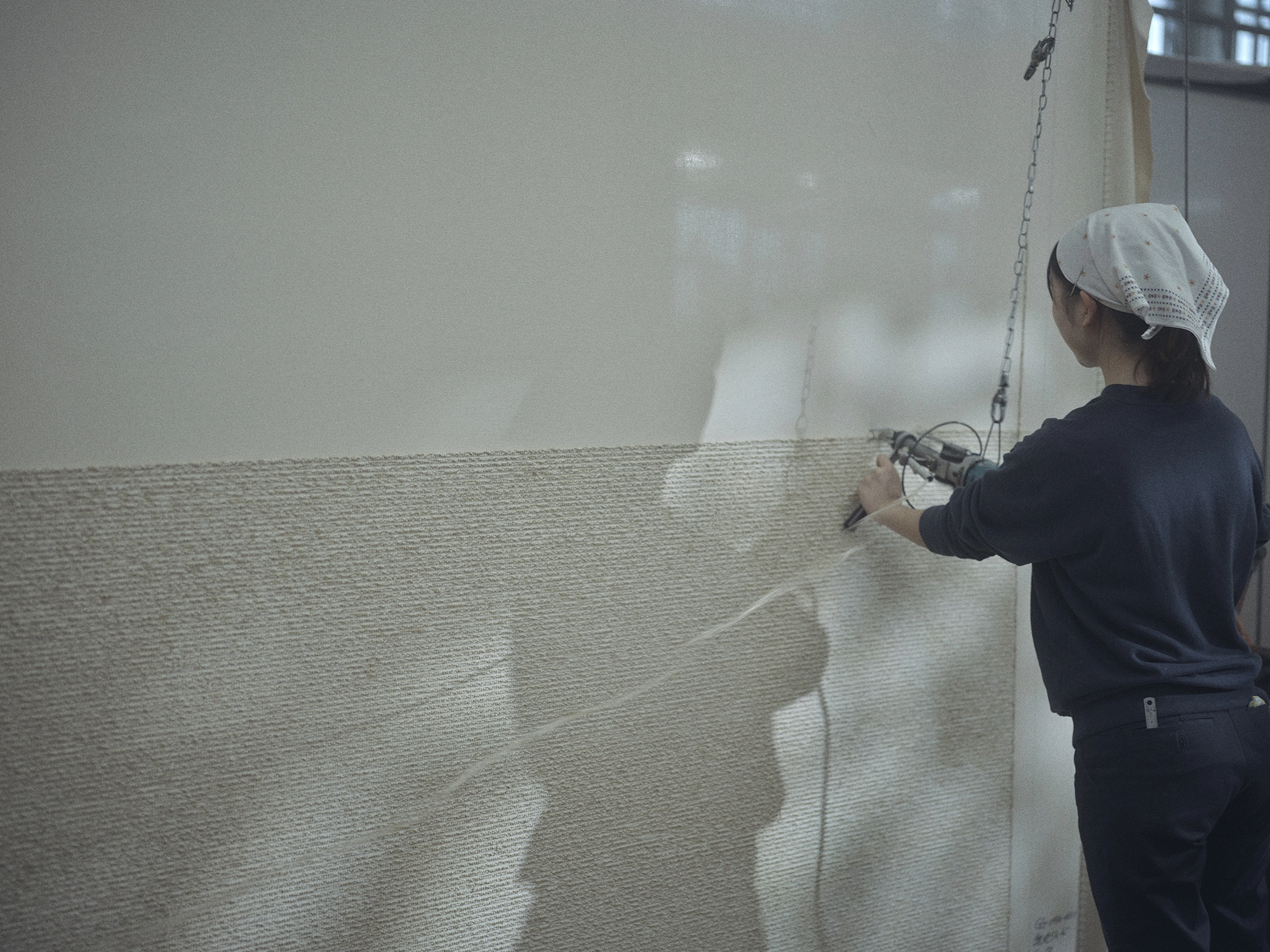
山形緞通の中核は、確たる品質と、世代を超えてご愛用いただける堅牢さにあります。その基盤を成すのは、上質な羊毛に対する創業時からの研鑽。そして、糸づくりから染色、織り、仕上げまで、すべての工程を自社工房で一貫して管理する厳格な生産体制です。日本において唯一無二の環境と、工房に深く息づく「品質こそ、デザインなり」の精神が、ものづくりを支えています。
The core of YAMAGATA DANTSU lies in its reliable quality and the robustness that allows for use over generations. This foundation is built upon a dedication to superior wool refined since the founding in 1935, sustained by a rigorous crafting process—from spinning and dyeing to weaving and finishing—within a single, integrated workshop. This unique environment—the only one in Japan—and the spirit of "Quality is Design" that resides deep within the workshop support our craftsmanship.
Material
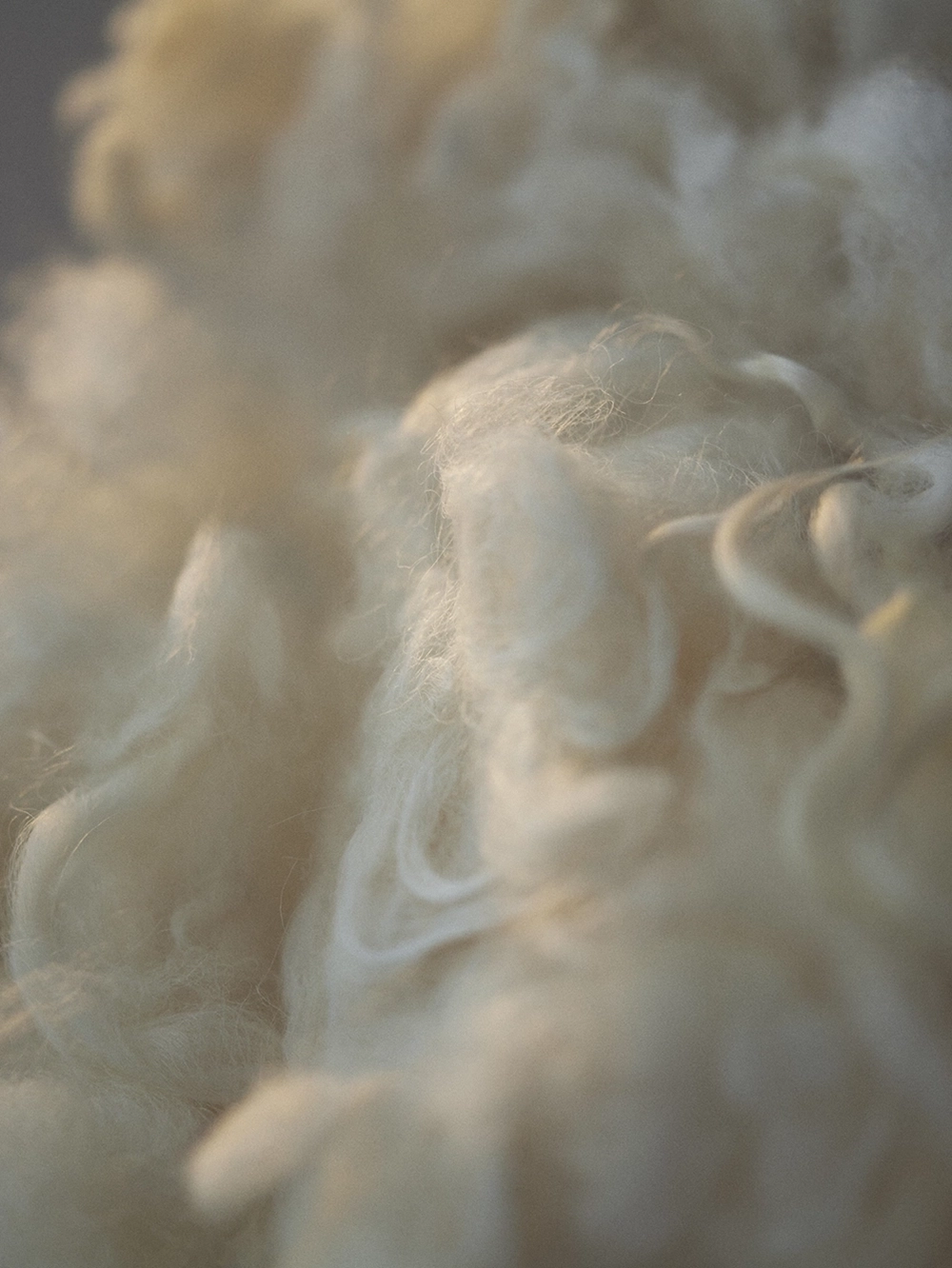
品質の土台は、優れた素材です。山形緞通は、日本で初めて中国緞通の技術導入に成功し、創業以来、その研究を続けてきました。現在、基本となる原料は、上質なニュージーランド産およびイギリス産のウールです。選び抜いた複数種を、剛直性、弾力、柔軟性、肌触りなどの観点から、各製品に最適な割合でブレンドし、オリジナルの糸へと仕立てます。本コレクションにおいては、じゅうたんの原料として最高品質とされる希少な中国羊毛「西寧羊毛(シーニン・ウール)」を独自に調達。さらに、仔羊から初めて刈り取られるきめ細やかで柔らかな「ファースト・ラムウール」も採用し、上質なウールそのものが持つ魅力を形にしています。
Quality materials are the foundation of our craftsmanship. Since its founding as the first in Japan to successfully introduce Chinese Dantsu techniques, YAMAGATA DANTSU has continued its research into wool. Today, high-quality wool from New Zealand and the United Kingdom forms the primary raw material. Multiple varieties are blended in optimal ratios – balancing rigidity, resilience, softness, and tactile feel – to create original yarns tailored to each Dantsu rug. In this collection, rare Xining wool from China, widely considered the finest wool for the Dantsu craft, is independently sourced, alongside First Lambswool – the finely textured, soft first shear from a lamb. These selections allow the intrinsic charm of high-quality wool itself to take shape in every Dantsu rug.


Tools
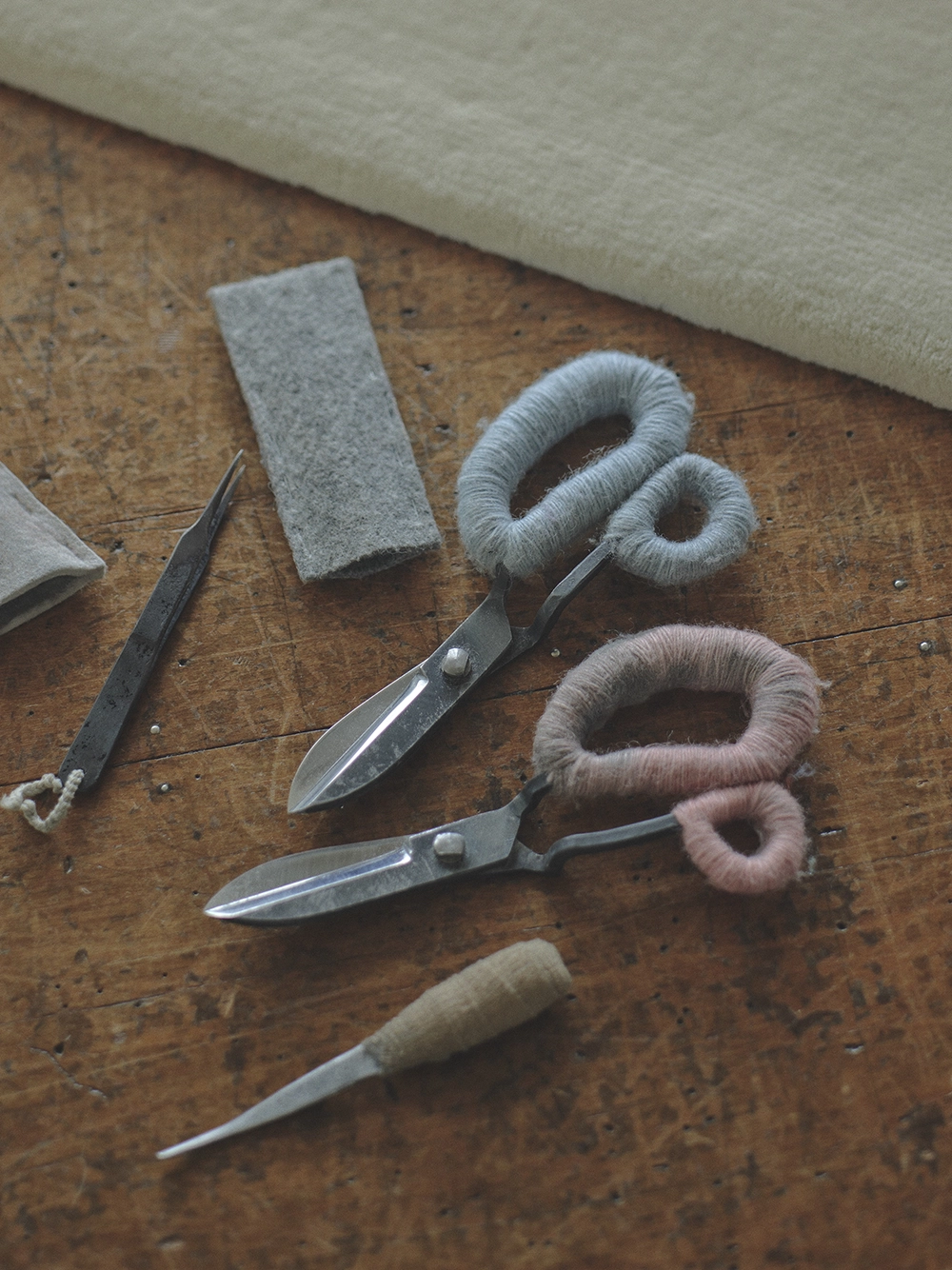
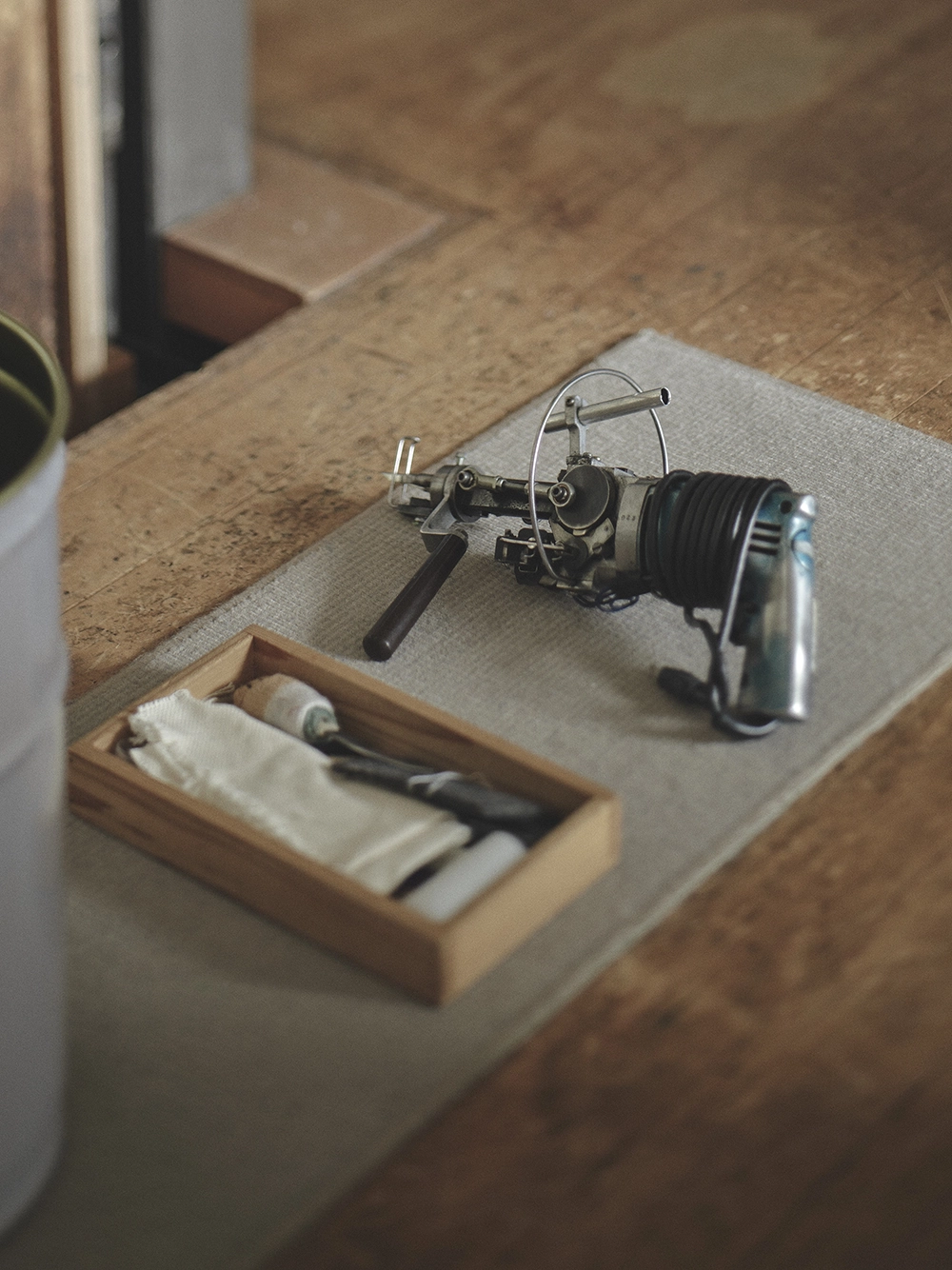
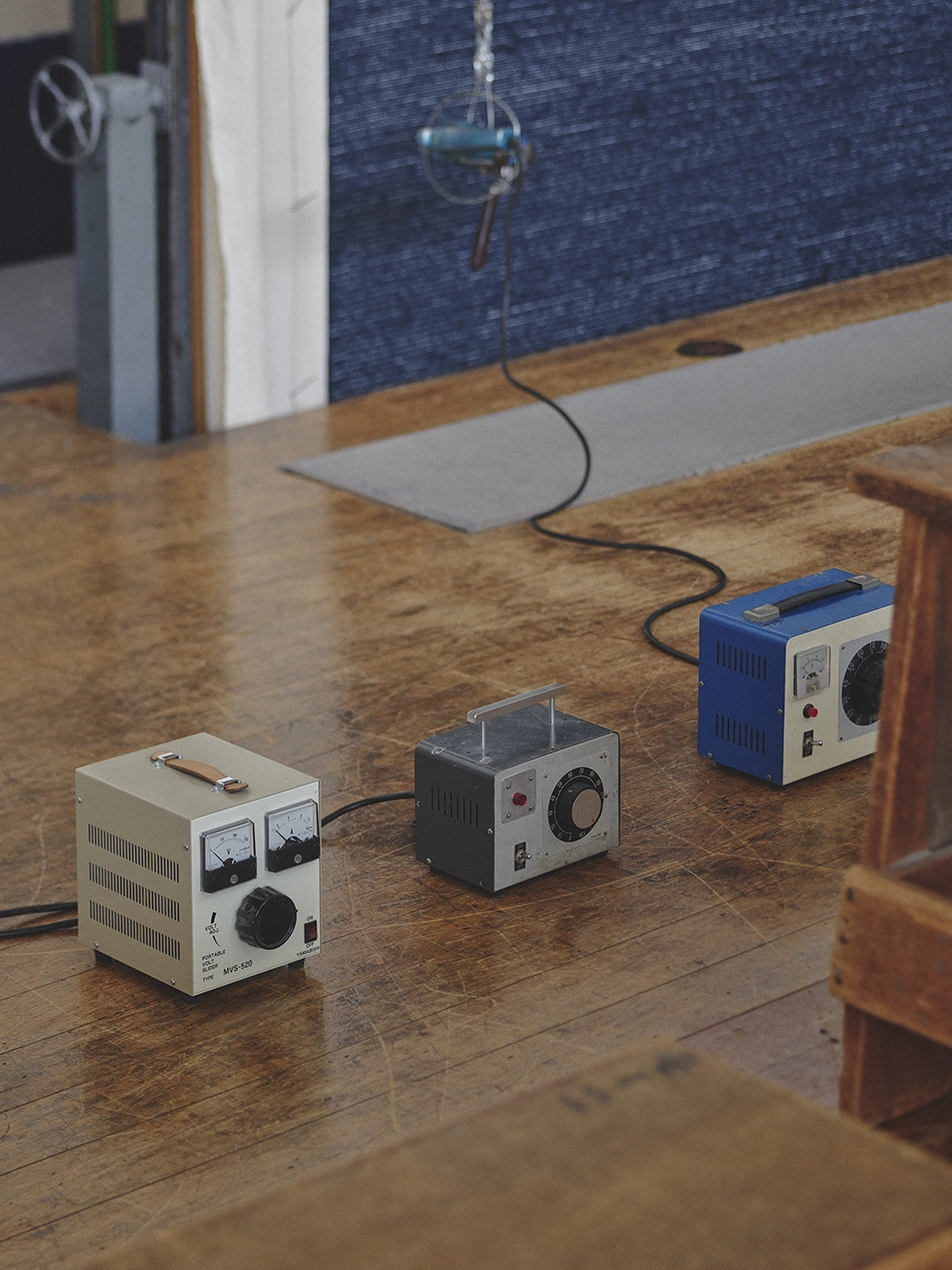
製作工程では、古くは半世紀以上前のヴィンテージ工具が今なお現役で使われています。山形緞通特有の品質を形作るために欠かせないこれらの道具は、すでに生産が終了したものを自社の職人が自ら修繕し、手入れを重ねて使い続けています。代替できない大切に紡がれてきた生産環境が、今日のものづくりの背景にあります。
Vintage tools, some dating back over half a century, remain in active use throughout the crafting process. Essential to achieving the unique quality of YAMAGATA DANTSU, these discontinued tools are restored and meticulously maintained by our artisans. This irreplaceable environment, nurtured over decades, forms the background of our craftsmanship today.
Finishing
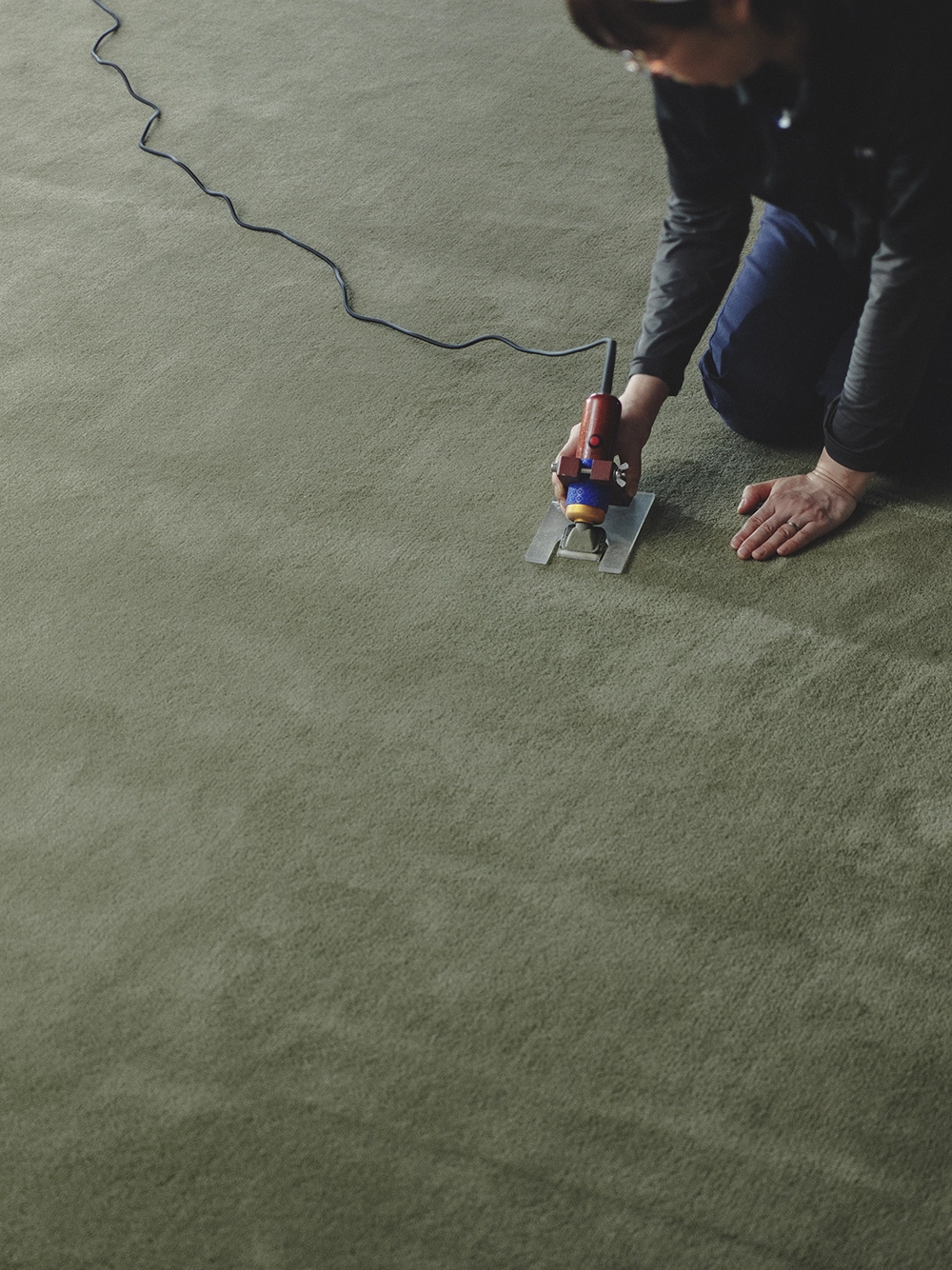
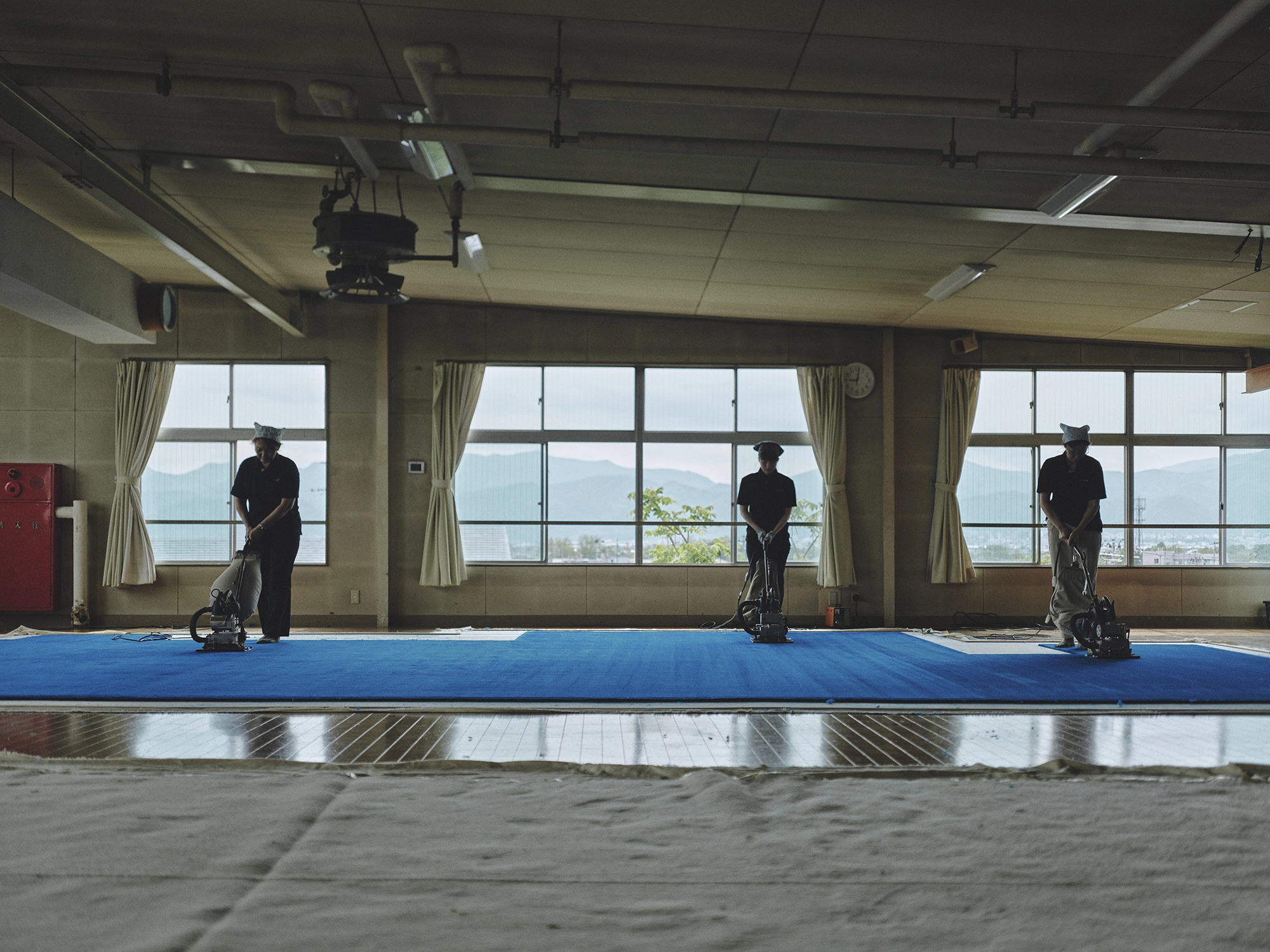
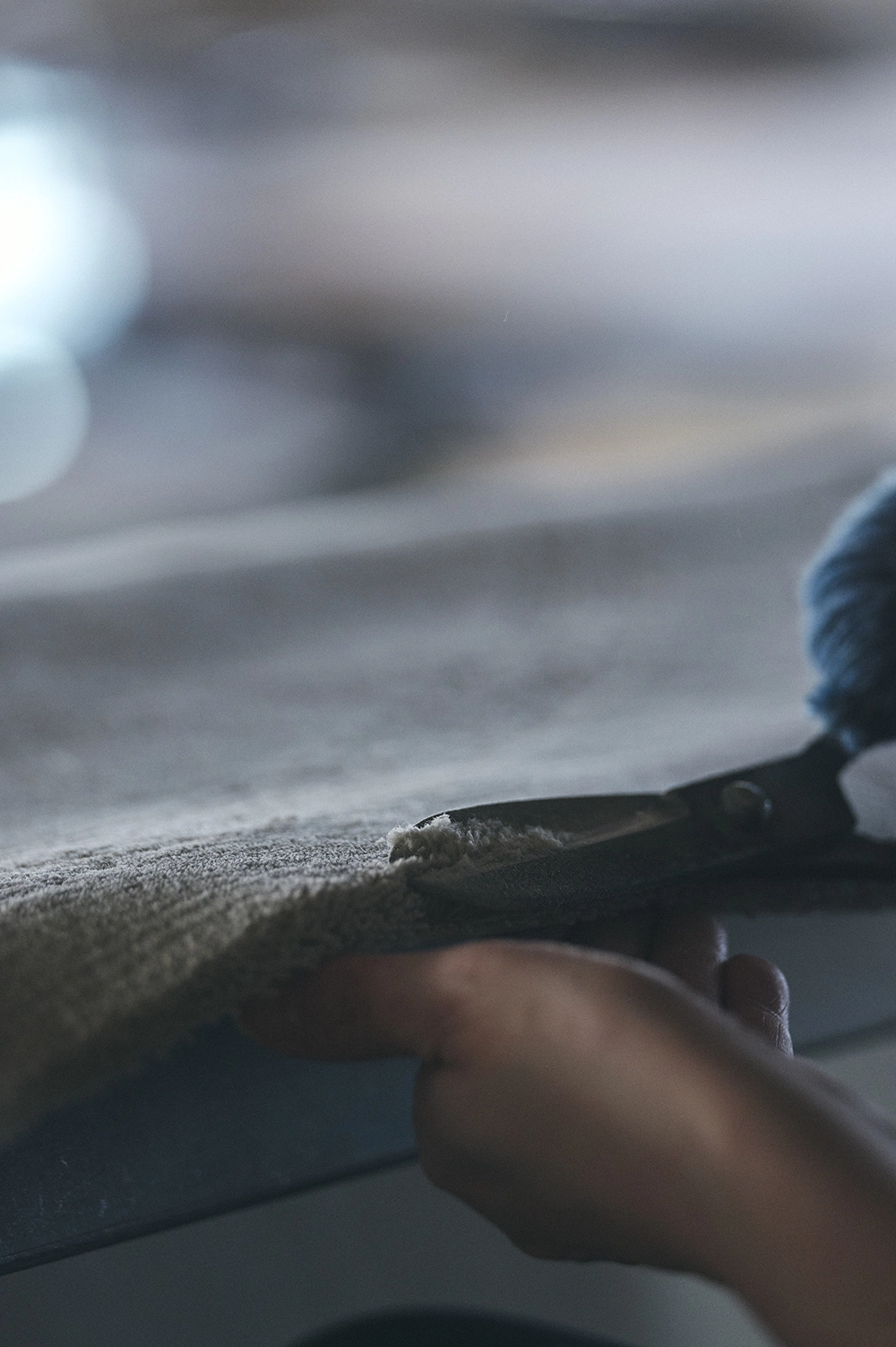
製品の仕上がりと印象を決定づけるのは、仕上げ工程です。機械と手動バリカンを用いたシャーリング、目視とピンセットによる遊び毛の除去、端部に手鋏でわずかな傾斜をつける「耳づくり」など、幾層もの工程と反復を重ねます。一見すると非効率にも映る無数の手仕事は、素足で過ごす日本の暮らしに心地よい触感をもたらすために、独自に発展してきた推敲のプロセスです。
The finishing process defines the final look and impression of each Dantsu rug. It involves multiple steps and repetitions: shearing with machines and hand clippers, visual inspection and the removal of loose fibers with tweezers, and "mimizukuri"—using hand shears to create a subtle slope along the edges. These countless hands-on steps, which may appear inefficient at first glance, are a process of refinement that evolved uniquely to bring a comfortable texture to a Japanese lifestyle spent barefoot.